
Insights Custom software
What to get right before you install a retail POS
A practical way to specify catalogue, checkout, stock adjustments and shift close before you compare POS options.
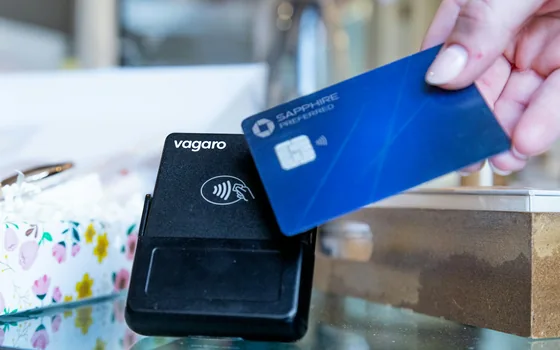
Run through a normal trading day with the person who actually operates your till. Write down what they need to do at opening, during a sale, during a return and at close. That list is a stronger starting point for a point-of-sale brief than a catalogue of features.
Get the product list into working shape
Pick ten items with a mix of variants. Record the identifiers staff use, the stock unit and the price that should appear at checkout. Check the names on shelf labels, supplier records and the existing till. Agree which record controls each field when they differ.
Decide who can add items and change prices. Make space for temporary offers and damaged stock in that conversation. A clean catalogue helps staff find the right product while a customer is waiting and makes reports easier to interpret later.
Walk through the awkward sales
A straight sale can make most systems look simple. Test a return with no original receipt, a change to an order while payment is in progress, a product with a missing barcode and a transaction that needs a supervisor.
For each situation, agree what staff can do, what the system should record and who authorises an exception. Keep the language short enough that your cashiers can recognise the action under pressure.
Write down how you close a shift
Decide how the shop compares till totals with the payments it has received. Note the person who reconciles the figures, the report they need and where they write down a difference. If you have several tills, check that a manager can see which terminal and shift produced a transaction.
Separate records that guide an immediate decision from reports used later. A shift close needs payment totals and exceptions. An inventory review needs a history of sales, returns and adjustments.
Test the rollout at a real till
Before moving the full catalogue, run a controlled trial with a small set of products and at least two staff roles. Try the scanner, receipt printer and payment method at the counter. Include the steps for a disconnected device or unavailable network.
Agree how you will count stock at the start and check it after the trial. Keep a simple reference sheet for staff and give them a way to report unusual transactions during the first week.
Explore retail till and campaign work in the KawaKids and Sophie Collection projects.